Delve into the world of recycling with answers to the most common questions, uncovering insights that will change the way you view waste management. From the benefits to the guidelines, get ready to explore a greener future!
Explore the various aspects of recycling from materials to best practices, gaining a deeper understanding of how small actions can lead to significant environmental impacts.
Benefits of Recycling
Recycling plays a crucial role in protecting the environment, conserving resources, and reducing waste. Let’s explore the various benefits of recycling.
Environmental Benefits
- Reduces greenhouse gas emissions: Recycling helps decrease the amount of waste sent to landfills, which in turn reduces the emission of greenhouse gases such as methane and carbon dioxide.
- Conserves natural resources: By recycling materials like paper, plastic, and metal, we can save energy and reduce the need for raw materials, ultimately preserving natural resources like forests and minerals.
- Prevents pollution: Recycling helps prevent pollution caused by extracting, processing, and manufacturing new materials, leading to cleaner air, water, and soil.
Economic Advantages for Communities
- Creates jobs: Recycling facilities and programs create employment opportunities in collection, sorting, processing, and manufacturing, contributing to local economies.
- Reduces waste management costs: Recycling can lower the costs associated with waste disposal and landfill management, saving municipalities and taxpayers money in the long run.
- Generates revenue: Selling recycled materials like aluminum, paper, and plastic can generate income for communities and businesses, turning waste into a valuable commodity.
Impact on Reducing Landfill Waste
- Extends landfill lifespan: By diverting recyclable materials from landfills, recycling helps extend the lifespan of existing landfill sites and reduces the need for new ones.
- Minimizes environmental impact: Decreasing the amount of waste sent to landfills helps mitigate the environmental impact of landfill operations, including soil and groundwater contamination.
- Promotes sustainable waste management: Recycling promotes a more sustainable approach to waste management, emphasizing the importance of reducing, reusing, and recycling materials to minimize waste generation.
Commonly Recycled Materials
Recycling plays a crucial role in reducing waste and conserving resources. Common materials that can be recycled include paper, plastic, glass, and metal. Each material has its own recycling process, challenges, and opportunities.
Paper Recycling
Paper recycling involves collecting used paper, breaking it down into pulp, removing contaminants, and then reusing it to make new paper products. The challenges in paper recycling include the need for efficient sorting and cleaning processes to ensure the quality of recycled paper. Opportunities lie in reducing deforestation and energy consumption associated with paper production.
Plastic Recycling
Plastic recycling requires sorting plastic by type, cleaning and shredding it, melting it down, and then forming it into new products. Challenges include the different types of plastics that require separate recycling processes and the limited market for recycled plastics. Opportunities include reducing plastic pollution and decreasing the demand for new plastic production.
Glass Recycling
Glass recycling involves collecting used glass, sorting it by color, crushing it into cullet, melting it, and then forming it into new glass products. Challenges include contamination from other materials and the energy-intensive process of melting glass. Opportunities include conserving raw materials and reducing energy consumption in glass production.
Metal Recycling
Metal recycling includes collecting scrap metal, sorting it, melting it down, and then shaping it into new metal products. Challenges in metal recycling include the need for efficient sorting and separating different types of metals. Opportunities include reducing greenhouse gas emissions and saving energy compared to primary metal production.
Recycling Guidelines and Best Practices
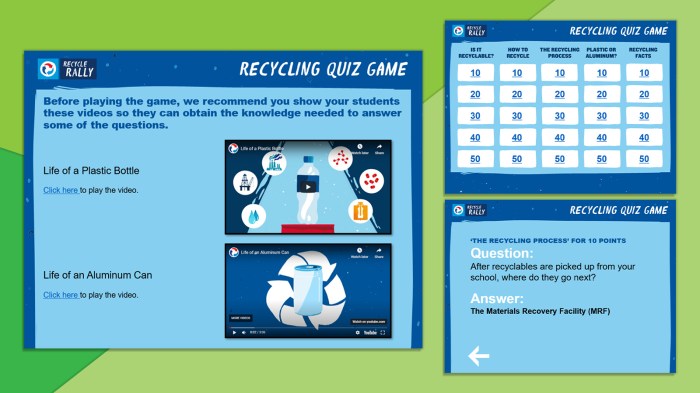
When it comes to recycling, following proper guidelines and best practices is essential to ensure the effectiveness of the process and minimize environmental impact.
Importance of Sorting Recyclables Correctly
- Sorting recyclables correctly is crucial to prevent contamination in the recycling stream.
- Contamination can lead to the rejection of entire batches of recyclables, resulting in waste and increased costs.
- Proper sorting helps ensure that materials are recycled efficiently and can be turned into new products.
How to Properly Prepare Materials for Recycling
- Remove any non-recyclable items from recyclables before placing them in the recycling bin.
- Rinse out containers and bottles to remove any food residue or liquids.
- Flatten cardboard boxes to save space and make them easier to recycle.
- Follow local recycling guidelines for specific materials and preparation instructions.
Tips to Reduce Contamination in Recycling Streams
- Avoid placing items in the recycling bin that are not accepted by your local recycling program.
- Check labels on packaging to determine if they are recyclable and follow instructions accordingly.
- Do not bag recyclables unless specified by your recycling program, as plastic bags can cause issues at recycling facilities.
- Educate yourself and others in your household or community about proper recycling practices to reduce contamination.
Final Conclusion

In conclusion, the journey through 10 Common Recycling Questions Answered sheds light on the importance of sustainable practices and the role each individual plays in creating a cleaner, healthier planet for future generations. Dive in and make a difference today!