Embark on a journey towards a more sustainable lifestyle with 50 Simple Swaps to Reduce Waste and Live More Sustainably. Discover practical tips and impactful changes that can make a difference in the world we live in.
Learn how small changes can lead to big results, benefiting both the environment and our communities.
Benefits of Simple Swaps
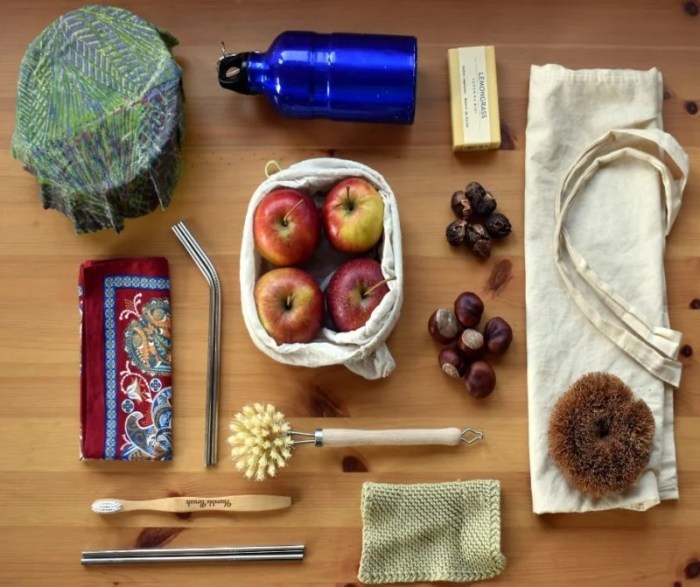
Making small changes in daily habits can have a significant positive impact on both the environment and personal well-being. By opting for simple swaps, individuals can reduce waste, conserve resources, and contribute to a more sustainable way of living.
Reducing Waste
- Switching from single-use plastic bags to reusable cloth bags can help decrease plastic pollution in oceans and landfills.
- Choosing a reusable water bottle over disposable plastic bottles can significantly reduce the amount of plastic waste generated.
- Replacing plastic straws with metal or bamboo alternatives can cut down on the millions of plastic straws that end up in the environment each day.
Benefits to the Environment
- Reducing waste through simple swaps helps conserve natural resources and energy used in the production and disposal of single-use items.
- By living more sustainably, individuals can help mitigate climate change, protect biodiversity, and preserve ecosystems for future generations.
- Choosing eco-friendly alternatives promotes a circular economy where resources are reused, recycled, and regenerated, reducing the strain on the environment.
Practical Simple Swaps

Implementing simple swaps in your daily life can have a significant impact on reducing waste and living more sustainably. Here are 10 easy swaps that you can incorporate at home:
1. Reusable Water Bottles
- Swap single-use plastic water bottles for a reusable water bottle.
- Reduces plastic waste and helps minimize the use of disposable plastics.
- Carry your reusable water bottle with you wherever you go to stay hydrated without contributing to plastic pollution.
2. Cloth Shopping Bags
- Switch to using cloth shopping bags instead of single-use plastic bags.
- Reduces plastic bag consumption and helps decrease plastic pollution in the environment.
- Keep reusable bags in your car or by the door to remember to bring them when you go shopping.
3. Stainless Steel Straws
- Replace disposable plastic straws with stainless steel straws.
- Reduces plastic straw usage and prevents them from ending up in oceans and landfills.
- Carry a stainless steel straw in your bag or purse for use when dining out or getting takeout.
4. Beeswax Wraps
- Use beeswax wraps instead of plastic cling wrap for storing food.
- Reduces plastic waste from single-use cling wrap and promotes a more sustainable way of storing food.
- Wash and reuse beeswax wraps to extend their lifespan and decrease waste.
5. Compost Bin
- Start composting organic waste like fruit and vegetable scraps.
- Diverts food waste from landfills, reducing methane emissions and promoting nutrient-rich soil.
- Keep a small compost bin in your kitchen for convenience and easy access.
6. LED Light Bulbs
- Switch to energy-efficient LED light bulbs instead of incandescent bulbs.
- Reduces energy consumption and decreases the carbon footprint of your home.
- Replace old bulbs with LED alternatives as they burn out to save energy and money in the long run.
7. Reusable Coffee Cups
- Opt for a reusable coffee cup instead of disposable cups from coffee shops.
- Reduces paper cup waste and minimizes the environmental impact of your daily caffeine fix.
- Bring your reusable cup with you to coffee shops for a sustainable way to enjoy your favorite drinks.
8. Bar Soap
- Switch to using bar soap instead of liquid soap in plastic bottles.
- Reduces plastic waste from packaging and promotes a zero-waste bathroom routine.
- Look for package-free bar soaps or ones with minimal packaging to further reduce waste.
9. Cloth Napkins
- Use cloth napkins instead of paper napkins or paper towels.
- Reduces paper waste and promotes a more sustainable dining experience.
- Keep a stack of cloth napkins handy for meals and wash them for reuse.
10. DIY Cleaning Products
- Make your own cleaning products using simple ingredients like vinegar, baking soda, and essential oils.
- Reduces the need for single-use plastic bottles and minimizes exposure to harsh chemicals.
- Explore different DIY cleaning product recipes online and customize them to suit your cleaning needs.
Community Engagement
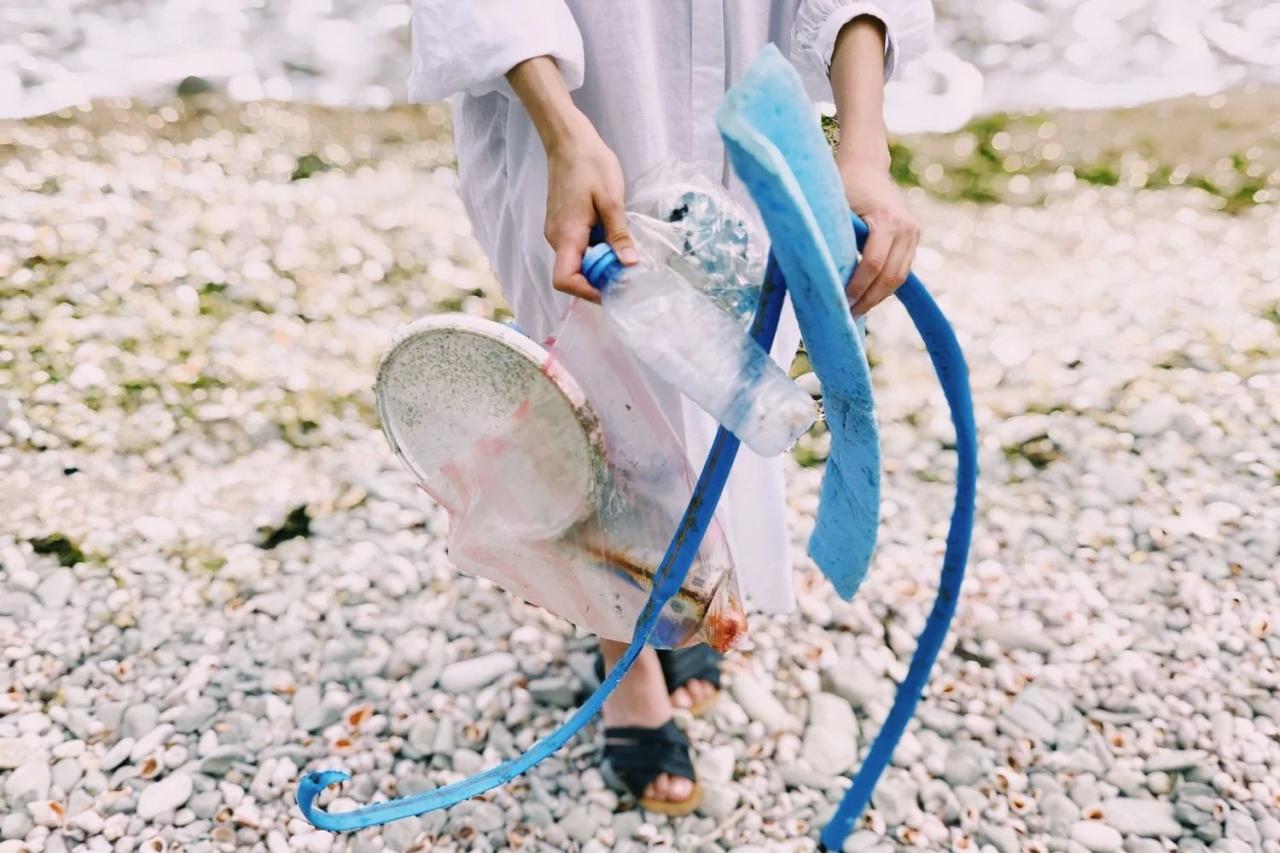
Community engagement plays a crucial role in spreading awareness about sustainability and inspiring others to make simple swaps to reduce waste and live more sustainably. By sharing stories of individuals who have successfully adopted these swaps, we can motivate and empower others to follow suit.
Inspiring Others in the Community
- Organize community events or workshops to showcase the benefits of simple swaps and provide practical tips on how to incorporate them into daily life.
- Create online platforms or social media groups where community members can share their experiences, challenges, and success stories related to sustainability.
- Collaborate with local schools, businesses, and organizations to promote eco-friendly practices and encourage collective action towards a greener future.
Spreading Awareness about Sustainability
- Host educational seminars or webinars to raise awareness about environmental issues and the impact of individual actions on the planet.
- Distribute informative flyers, brochures, or newsletters in the community to highlight the importance of making sustainable choices and reducing waste.
- Engage with local policymakers and advocate for policies that support sustainability, recycling, and waste reduction initiatives.
Success Stories of Individuals
- Share personal anecdotes of individuals who have embraced simple swaps, such as using reusable bags, bottles, and containers, to inspire others to make similar changes.
- Showcase before-and-after transformations of households or businesses that have implemented sustainable practices and reduced their environmental footprint.
- Celebrate the achievements of community members who have taken steps towards a more sustainable lifestyle by recognizing their efforts and sharing their stories with others.
Closing Notes

In conclusion, embracing these simple swaps not only reduces waste but also fosters a greener future for generations to come. Take the first step today towards a more eco-conscious way of living with these transformative practices.