50 Easy Ways to Reduce Your Environmental Impact sets the stage for this enthralling narrative, offering readers a glimpse into a story that is rich in detail with casual formal language style and brimming with originality from the outset.
Explore practical tips for reducing energy consumption, minimizing water usage, embracing eco-friendly products, and cutting down on single-use plastics. Dive into sustainable shopping habits, transportation strategies, and more to make a positive impact on the environment.
Simple Lifestyle Changes

Making small adjustments to your daily routine can have a big impact on the environment. Here are some tips to help you reduce your environmental footprint:
Reducing Energy Consumption at Home
- Switch to energy-efficient appliances to save electricity and lower your utility bills.
- Unplug electronics when not in use to prevent phantom energy consumption.
- Use natural light during the day and opt for LED bulbs to reduce energy usage.
- Set your thermostat a few degrees lower in winter and higher in summer to save energy.
Minimizing Water Usage in Daily Activities
- Fix any leaks in faucets or pipes to prevent water wastage.
- Take shorter showers and consider installing a low-flow showerhead to conserve water.
- Only run the dishwasher and washing machine with full loads to maximize efficiency.
- Collect rainwater to water your plants and reduce the need for tap water.
Benefits of Using Eco-Friendly Products
- Choose biodegradable cleaning products to minimize harmful chemicals in the environment.
- Opt for reusable products like cloth bags and water bottles to reduce waste.
- Support companies that prioritize sustainability and eco-conscious practices.
- Switch to organic and natural personal care products to avoid harsh chemicals in traditional products.
Importance of Reducing Single-Use Plastics
- Carry a reusable shopping bag to avoid using plastic bags at stores.
- Use a refillable water bottle instead of buying bottled water to reduce plastic waste.
- Avoid disposable cutlery and straws by carrying your own reusable utensils.
- Choose products with minimal packaging to decrease the amount of plastic entering landfills.
Sustainable Shopping Habits

When it comes to reducing your environmental impact, making sustainable choices while shopping plays a crucial role. Here are some eco-friendly alternatives and strategies to consider:
Eco-Friendly Alternatives to Common Household Items
- Swap plastic bags for reusable cloth bags to reduce single-use plastic waste.
- Choose bamboo or stainless steel straws instead of plastic ones.
- Opt for refillable containers for household cleaning products to minimize plastic packaging.
Local vs. Imported Goods: Environmental Impact Comparison
Buying locally sourced products can significantly reduce the carbon footprint associated with transportation. Local goods also support the local economy and reduce packaging waste compared to imported goods.
Strategies for Reducing Waste While Shopping
- Bring your own reusable bags and containers when shopping to avoid single-use plastics.
- Buy in bulk to reduce packaging waste and opt for products with minimal or recyclable packaging.
- Avoid impulse purchases and make a shopping list to prevent buying unnecessary items that may end up as waste.
Minimalism and Sustainability
“Minimalism is not about having less, but about making room for what truly matters.”
Embracing minimalism involves consuming less, decluttering your space, and focusing on quality over quantity. By adopting a minimalist lifestyle, you reduce your environmental impact by consuming fewer resources and generating less waste.
Transportation and Travel

When it comes to reducing your environmental impact, transportation and travel play a significant role. Making conscious choices in this area can make a big difference in your carbon footprint.
Carpooling and Public Transportation
One of the easiest ways to reduce emissions from your daily commute is by carpooling with colleagues or friends. Sharing a ride not only saves money but also decreases the number of vehicles on the road, reducing overall emissions. Additionally, opting for public transportation whenever possible can further minimize your carbon footprint.
Impact of Air Travel
Air travel is known to have a substantial impact on the environment due to high levels of CO2 emissions. To reduce this impact, consider flying less frequently and choosing direct flights whenever possible. Additionally, supporting airlines that are committed to sustainability practices can make a difference.
Eco-Friendly Road Trip Planning
Planning a road trip with sustainability in mind can significantly reduce your environmental impact. Choose fuel-efficient vehicles, pack light to improve fuel efficiency, and opt for eco-friendly accommodations along the way. Additionally, plan your route to minimize driving distance and explore nature-friendly destinations.
Biking or Walking
For short distances, biking or walking can be excellent alternatives to driving. Not only are these modes of transportation environmentally friendly, but they also promote physical activity and reduce traffic congestion. Consider biking or walking whenever possible to lower your carbon footprint and stay active.
Final Conclusion
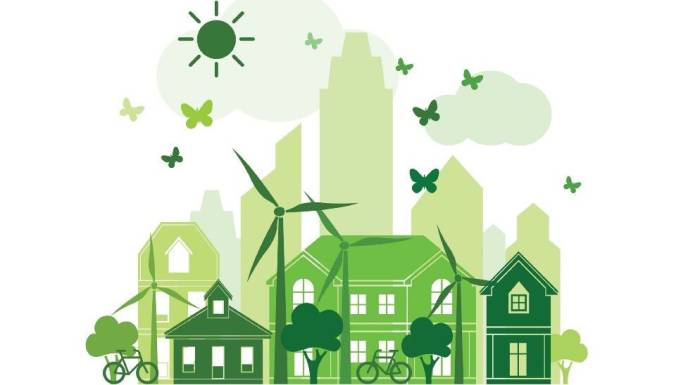
In conclusion, 50 Easy Ways to Reduce Your Environmental Impact provides a roadmap for individuals looking to make a difference. By incorporating these simple yet impactful changes into your daily life, you can contribute to a healthier planet for future generations. Take the first step today towards a more sustainable lifestyle.