10 Must-Read Articles About the Future of Recycling sets the stage for this enthralling narrative, offering readers a glimpse into a story that is rich in detail with casual formal language style and brimming with originality from the outset.
Exploring the importance of recycling in the future, the innovations in recycling technologies, and the sustainable practices in the circular economy, this collection of articles promises to enlighten and inspire readers about the future of recycling.
Importance of Recycling in the Future

Recycling plays a crucial role in shaping a sustainable future by significantly reducing environmental impact, waste in landfills, and conserving natural resources.
Environmental Impact of Recycling
Recycling helps to reduce pollution and energy consumption associated with extracting raw materials. By reusing materials, recycling minimizes greenhouse gas emissions and mitigates the negative effects of climate change.
Reducing Waste in Landfills
- Recycling diverts materials from ending up in landfills, which helps alleviate the strain on available landfill space.
- Reducing landfill waste also reduces the production of methane gas, a potent greenhouse gas that contributes to global warming.
Conserving Natural Resources
Recycling conserves valuable natural resources such as timber, water, and minerals by decreasing the demand for new materials. This process helps in preserving ecosystems and habitats from degradation due to resource extraction.
Innovations in Recycling Technologies
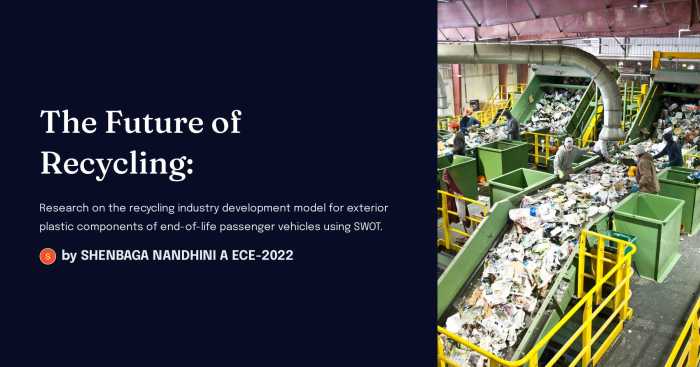
In recent years, there have been significant advancements in recycling technologies aimed at improving efficiency and sustainability in the recycling industry. These innovations play a crucial role in shaping the future of recycling and reducing the environmental impact of waste disposal.
Advanced Sorting Techniques
One of the key innovations in recycling technologies is the development of advanced sorting techniques that enable more precise separation of materials for recycling. For example, optical sorting machines use sensors and cameras to identify different types of materials based on their color, shape, and composition. This allows for better sorting of recyclables such as plastics, paper, and metals, leading to higher recovery rates and less contamination in the recycling stream.
Artificial Intelligence in Recycling
Artificial intelligence (AI) is revolutionizing the recycling industry by improving the efficiency and accuracy of recycling processes. AI-powered robots and machines can quickly identify and sort various types of materials with high precision, increasing the speed and effectiveness of recycling operations. Machine learning algorithms also help optimize recycling systems by analyzing data and identifying patterns to enhance recycling rates and reduce waste.
Sustainable Practices and Circular Economy
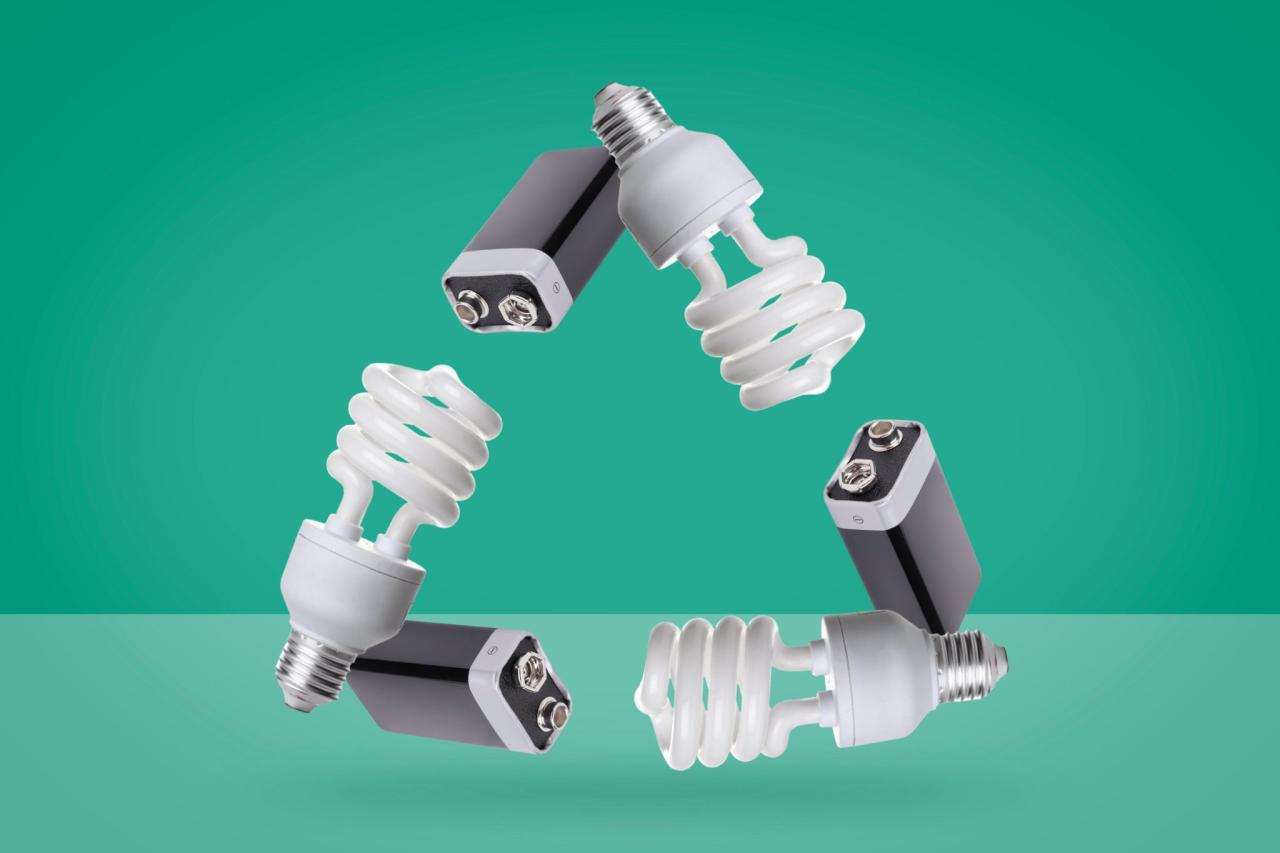
The concept of a circular economy is centered around the idea of reducing waste and maximizing the use of resources by keeping products, materials, and resources in use for as long as possible through recycling, reusing, and remanufacturing. This approach aims to create a sustainable system where resources are continuously circulated rather than being used once and disposed of.
Companies Implementing Sustainable Practices
- 1. Patagonia: Patagonia, an outdoor clothing company, has a program called “Worn Wear” where customers can trade in their used Patagonia clothing for store credit, encouraging reuse and reducing waste.
- 2. Unilever: Unilever has committed to ensuring that all its plastic packaging is fully reusable, recyclable, or compostable by 2025, promoting a more sustainable approach to packaging.
- 3. Interface: Interface, a carpet manufacturer, has implemented a closed-loop recycling system where old carpets are collected, recycled, and used to create new carpets, reducing the need for new raw materials.
Benefits of Adopting a Circular Economy Approach
- 1. Resource Efficiency: By reusing and recycling materials, a circular economy reduces the need for virgin resources, leading to less extraction and lower environmental impact.
- 2. Waste Reduction: Implementing circular economy practices minimizes waste generation, contributing to a cleaner environment and reducing the strain on landfills.
- 3. Economic Opportunities: Shifting towards a circular economy creates new business opportunities, such as remanufacturing, repair services, and recycling industries, fostering economic growth.
Ending Remarks
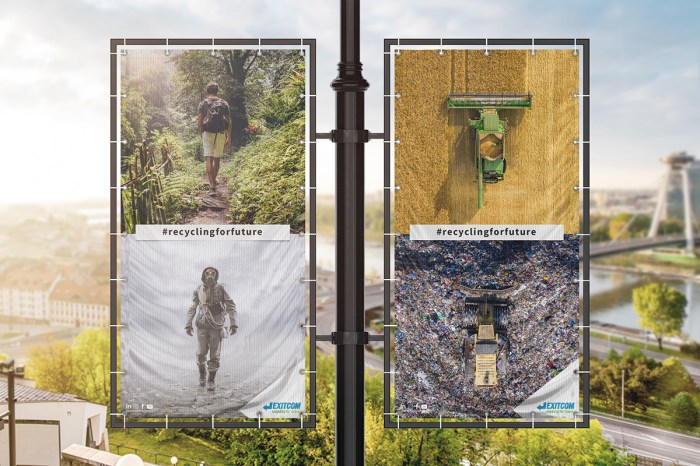
In conclusion, the 10 Must-Read Articles About the Future of Recycling encapsulate a vision of a greener and more sustainable future, urging individuals and companies alike to embrace recycling practices that will shape a better world for generations to come.