Embark on a journey exploring the lesser-known perks of composting as we delve into its surprising benefits that go beyond the obvious. Learn how this eco-friendly practice can revolutionize your perspective on waste management and sustainability.
Uncover the transformative power of composting in ways you never imagined, from environmental advantages to economic incentives and community building opportunities.
Environmental Benefits
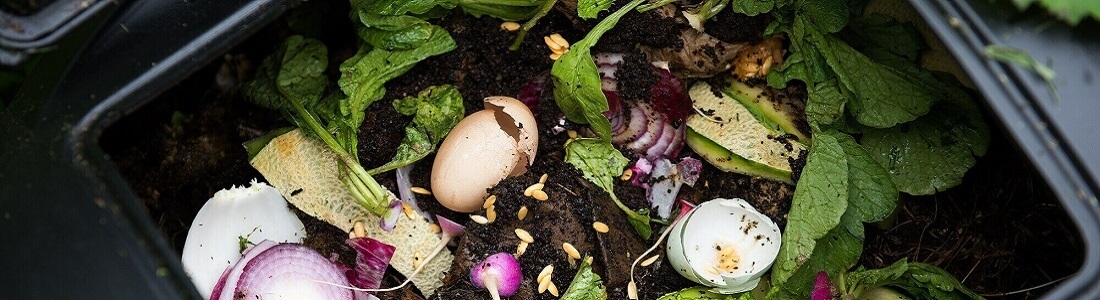
Composting plays a crucial role in reducing methane emissions, a potent greenhouse gas that contributes significantly to climate change. By diverting organic waste from landfills, where it would decompose anaerobically and produce methane, composting allows for the organic matter to break down aerobically, resulting in lower methane emissions.
Reduction of Greenhouse Gases
Composting involves the decomposition of organic waste by microorganisms in the presence of oxygen. This process not only helps in the breakdown of organic matter but also reduces the release of methane into the atmosphere. Methane is about 25 times more potent than carbon dioxide in trapping heat in the atmosphere, making it a significant contributor to global warming. By composting organic waste, we can effectively mitigate the production of methane and help combat climate change.
Improvement of Soil Health
Compost acts as a natural fertilizer, enriching the soil with essential nutrients and organic matter. This enriched soil helps improve soil structure, water retention, and microbial activity, leading to healthier plants and crops. Additionally, compost helps balance soil pH levels, reducing the need for chemical fertilizers that can have harmful effects on the environment. By utilizing compost, we can promote sustainable agriculture practices and reduce our reliance on synthetic fertilizers.
Economic Benefits
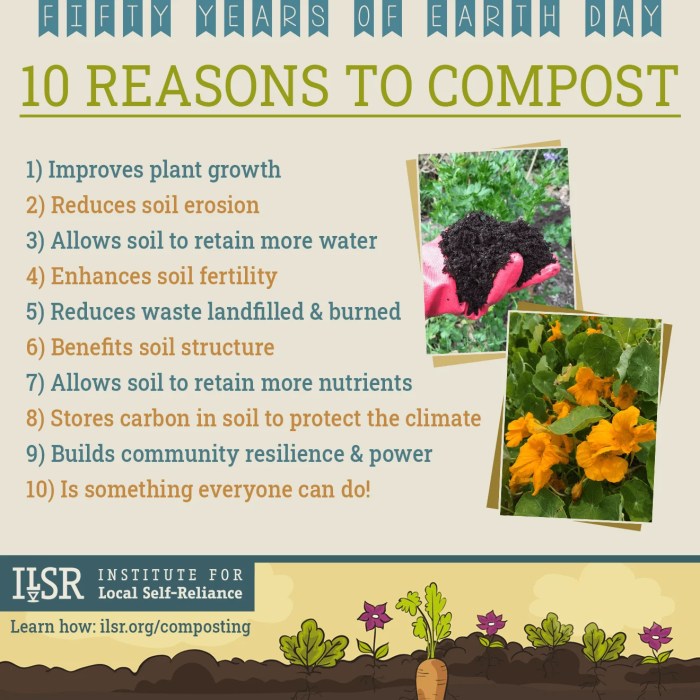
Composting not only has environmental benefits but also brings significant economic advantages. Let’s delve into the cost savings and revenue opportunities that come with composting.
Cost Savings from Composting
Setting up a composting system may require an initial investment, but the long-term savings can be substantial compared to traditional waste disposal methods. By diverting organic waste from landfills, businesses and households can reduce disposal costs, especially as landfill tipping fees continue to rise. Composting also helps lower the need for purchasing chemical fertilizers, ultimately saving money on landscaping and gardening expenses.
Potential Revenue Streams
Beyond cost savings, composting can generate revenue through the sale of high-quality compost. Many agricultural businesses and nurseries are willing to purchase compost to improve soil health and productivity. Additionally, compost can be used in landscaping projects or sold to local community members for their gardens. By monetizing the compost produced, individuals and organizations can offset the initial setup costs of a composting system.
Community Benefits
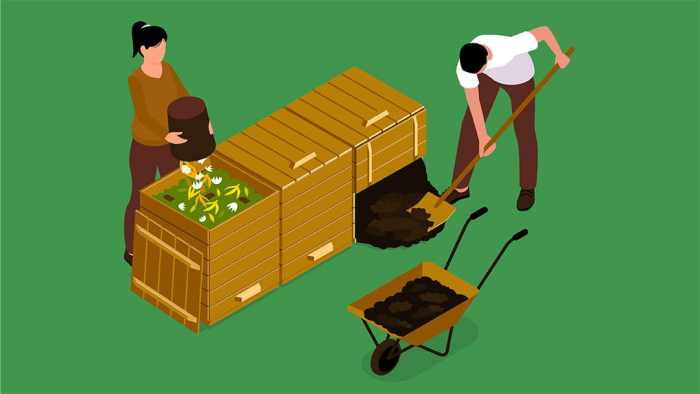
Composting not only benefits the environment and economy but also plays a crucial role in fostering community engagement and collaboration. When individuals come together to compost, it creates a sense of shared responsibility and a common goal of sustainability.
Community Composting Program
Implementing a community composting program can have a significant impact on local neighborhoods. By setting up designated composting areas or organizing regular pick-ups, residents can easily participate in the process. This not only reduces waste sent to landfills but also brings the community together in a meaningful way.
Social Benefits of Composting
- Encourages environmental stewardship: Composting educates community members about the importance of reducing waste and taking care of the planet.
- Promotes sustainability: By composting, communities can lessen their environmental footprint and contribute to a greener future for generations to come.
- Fosters a sense of community: Working together towards a common goal like composting strengthens bonds among residents and creates a more tight-knit neighborhood.
Last Word

In conclusion, the 10 Unexpected Benefits of Composting You Might Not Know shed light on the multifaceted advantages of this green initiative. Embrace the positive impacts of composting and join the movement towards a greener, more sustainable future.