Embark on a journey of discovery with 10 Unexpected Items You Can Recycle Curbside, delving into the world of recycling in a unique and eco-friendly way. Learn how to repurpose everyday items with ease and make a positive impact on the environment.
Explore the creative possibilities of upcycling and gain insights into recycling regulations and best practices for a greener tomorrow.
Common Household Items
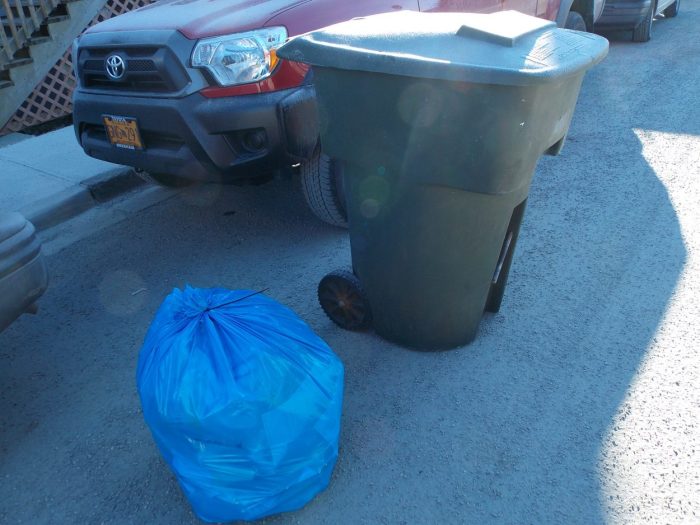
Recycling common household items is a great way to reduce waste and protect the environment. Here are 10 items that you can recycle curbside:
1. Plastic Bottles
Plastic bottles are commonly recycled curbside. They are collected, sorted, cleaned, and then melted down to create new plastic products. Recycling plastic bottles helps reduce the amount of plastic waste in landfills and minimizes the need for new plastic production.
2. Aluminum Cans
Aluminum cans are another item that can be easily recycled curbside. They are melted down and used to make new aluminum products. Recycling aluminum cans saves energy and natural resources compared to producing new aluminum from raw materials.
3. Glass Jars and Bottles
Glass jars and bottles are recyclable curbside as well. They are crushed, melted, and then molded into new glass containers. Recycling glass helps conserve energy and reduce greenhouse gas emissions associated with glass production.
4. Paper and Cardboard
Paper and cardboard are commonly recycled curbside. They are pulped, cleaned, and processed into new paper products. Recycling paper and cardboard helps save trees and reduce water and air pollution caused by paper manufacturing.
5. Steel Cans
Steel cans, such as food cans, can be recycled curbside too. They are melted down and used to manufacture new steel products. Recycling steel cans helps conserve natural resources and reduce the energy required for steel production.
6. Cartons
Cartons, like milk and juice cartons, can be recycled curbside. They are pulped and turned into new paper products or building materials. Recycling cartons helps reduce waste and lessen the environmental impact of carton production.
7. Plastic Containers
Plastic containers, like yogurt cups and margarine tubs, are also recyclable curbside. They are processed and transformed into new plastic items. Recycling plastic containers helps decrease the amount of plastic pollution in oceans and landfills.
8. Newspaper and Magazines
Newspapers and magazines can be recycled curbside as well. They are reprocessed into new paper products. Recycling newspapers and magazines helps conserve natural resources and reduce the carbon footprint of paper production.
9. Metal Lids and Caps
Metal lids and caps from jars and bottles can be recycled curbside. They are melted down and used to create new metal products. Recycling metal lids and caps helps prevent metal waste and saves energy compared to producing new metal from ores.
10. Food Scraps for Composting
While not traditional recycling, food scraps can be collected curbside for composting. Composting food scraps helps reduce methane emissions from landfills and produces nutrient-rich soil for gardening. It’s a sustainable way to manage organic waste.
Creative Upcycling Ideas
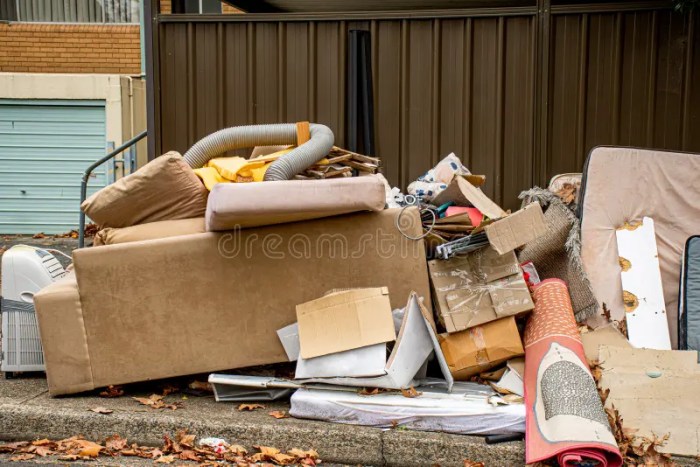
When it comes to upcycling unexpected items found curbside, the possibilities are endless. Not only does upcycling help reduce waste, but it also allows you to get creative and give new life to old items. Here are some innovative ways to upcycle and DIY projects using these items to create new products.
Repurposed Wooden Crates
Wooden crates can be transformed into stylish storage solutions or unique furniture pieces. By sanding down the wood, painting or staining it, and adding some wheels or legs, you can create a one-of-a-kind coffee table, bookshelf, or even a plant stand.
Old Tires
Instead of letting old tires end up in a landfill, consider upcycling them into outdoor seating options like tire swings, ottomans, or even planters. With some creative painting and repurposing, you can turn these tires into eye-catching and functional pieces for your backyard.
Broken Ceramics
If you come across broken ceramic pieces like plates or cups, don’t toss them out just yet. You can use the shards to create mosaic art for your garden or home decor. Arrange the broken pieces in a pattern on a pot, picture frame, or tabletop for a unique and colorful touch.
Empty Glass Bottles
Empty glass bottles can be upcycled into decorative vases, candle holders, or even hanging lights. By removing labels, painting or etching the glass, and adding some embellishments, you can give these bottles a new purpose and add a personalized touch to your space.
Recycling Regulations and Best Practices
When it comes to curbside recycling, it’s essential to understand the specific regulations and guidelines in your region to ensure that items are recycled properly. Following best practices can help make the recycling process more efficient and effective.
Specific Regulations and Guidelines
Curbside recycling regulations can vary from one region to another, so it’s crucial to familiarize yourself with the rules in your area. Some common guidelines include sorting items into different bins based on material type, rinsing containers before recycling, and avoiding placing non-recyclable items in the recycling bin.
Tips for Properly Preparing Items
- Rinse food containers and remove any food residue before recycling to prevent contamination.
- Check with your local recycling program to see if certain items need to be separated or bundled in a specific way.
- Remove caps and lids from bottles and containers, as they may be made of a different type of plastic.
- Flatten cardboard boxes to save space in the recycling bin and make collection more efficient.
Importance of Following Best Practices
- Following recycling best practices helps reduce contamination in the recycling stream, ensuring that materials can be properly processed and recycled.
- Properly preparing items for recycling can also help conserve resources and reduce waste sent to landfills.
- By following guidelines and regulations, you contribute to the overall success of the recycling program in your community and help protect the environment.
Closure
In conclusion, recycling curbside has never been more exciting. By repurposing unexpected items and following best practices, you can contribute to a cleaner, more sustainable future. Take the first step towards a greener lifestyle today!