Embark on the 30-Day Zero-Waste Challenge to elevate your recycling efforts and make a positive impact on the environment. This journey towards a zero-waste lifestyle promises to be both rewarding and enlightening.
Learn how to implement sustainable practices in your daily routine and overcome common obstacles along the way. Join us in this transformative experience to reduce waste and celebrate sustainable living!
Introduction to 30-Day Zero-Waste Challenge
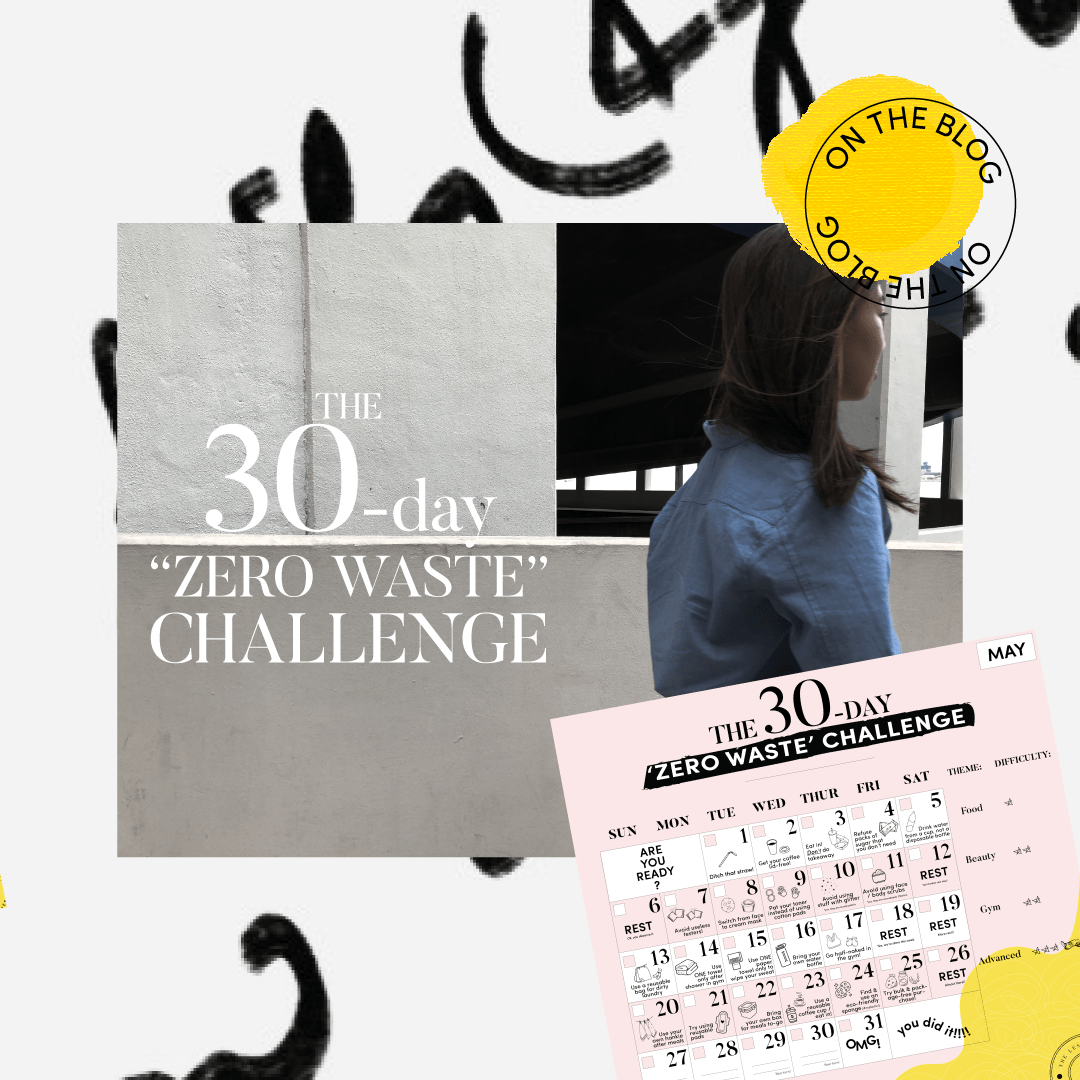
Living a zero-waste lifestyle involves minimizing the amount of waste we produce and sending nothing to the landfill. The 30-Day Zero-Waste Challenge encourages individuals to take their recycling efforts to the next level by making conscious choices to reduce, reuse, and recycle effectively.
Significance of Taking Recycling Efforts to the Next Level
By participating in this challenge, individuals can significantly reduce their carbon footprint and contribute to a healthier environment. Taking recycling efforts to the next level means looking beyond traditional recycling methods and finding creative ways to reduce waste in all aspects of daily life.
Positive Impact on the Environment
- Reducing single-use plastics: By avoiding disposable items such as plastic bags, bottles, and straws, participants can help minimize plastic pollution in oceans and landfills.
- Composting organic waste: Turning food scraps and yard waste into nutrient-rich compost can divert organic matter from landfills and reduce greenhouse gas emissions.
- Upcycling and repurposing: Finding new uses for old items through upcycling and repurposing can extend the lifespan of products and reduce the demand for new resources.
- Supporting sustainable practices: Choosing products with minimal packaging, buying in bulk, and opting for reusable alternatives can promote sustainable consumption habits.
Implementing the 30-Day Zero-Waste Challenge
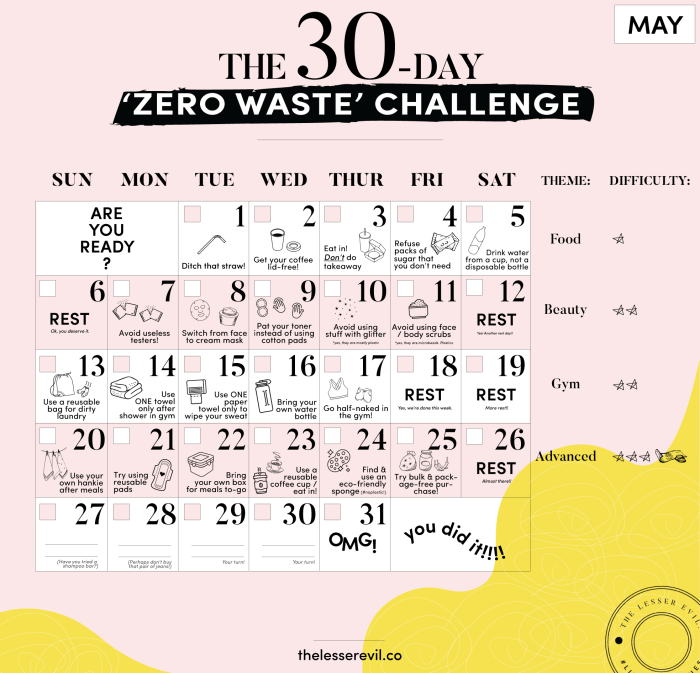
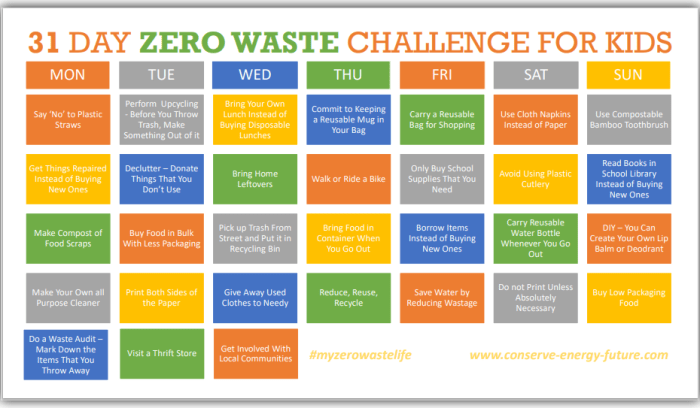
Now that you are ready to take on the 30-Day Zero-Waste Challenge, it’s essential to have a daily plan to follow to ensure your success. By making small changes in your daily routine, you can significantly reduce waste at home, work, and in your daily activities. Let’s explore some tips and common pitfalls to help you navigate through the challenge.
Daily Plan for Participants
During the 30-Day Zero-Waste Challenge, it’s crucial to have a daily plan that Artikels specific actions you can take to minimize waste. Here is a sample daily plan you can follow:
- Start your day by using a reusable coffee cup or water bottle.
- Avoid single-use plastics by bringing your own reusable shopping bags.
- Opt for products with minimal packaging or choose package-free options.
- Separate your waste into recyclables, compostables, and landfill items.
- Get creative with upcycling or repurposing items instead of throwing them away.
Tips on Reducing Waste
Reducing waste at home, work, and in daily activities can be easier than you think. Here are some practical tips to help you minimize waste:
- Use cloth napkins instead of paper towels.
- Switch to bar soap and shampoo to eliminate plastic bottles.
- Compost food scraps to reduce landfill waste.
- Invest in reusable containers for leftovers and meal prepping.
- Avoid buying items in bulk that may lead to food waste.
Common Pitfalls and How to Overcome Them
While embarking on the 30-Day Zero-Waste Challenge, you may encounter common pitfalls that could hinder your progress. Here’s how you can overcome them:
- Avoid the temptation to buy unnecessary items just because they are eco-friendly.
- Be patient with yourself and take small steps towards reducing waste.
- Educate yourself on proper recycling practices to avoid contamination.
- Engage with the zero-waste community for support and inspiration.
- Don’t get discouraged by setbacks; use them as learning opportunities.
Tracking Progress and Celebrating Success
Monitoring your waste reduction progress is crucial to stay on track during the 30-Day Zero-Waste Challenge. It helps you see how far you’ve come and motivates you to continue making sustainable choices. Celebrating your success at the end of the challenge is equally important to acknowledge your efforts and inspire you to maintain these practices in the future.
Designing a Tracking System
Creating a tracking system can be as simple as keeping a daily journal or using a dedicated app to record your waste reduction activities. You can track the amount of waste produced, items recycled, composted, or donated, and any new sustainable habits you’ve adopted. This visual representation of your progress can be motivating and help you identify areas for improvement.
Staying Motivated Throughout the Challenge
- Set specific goals for each week to keep yourself motivated and focused.
- Join online communities or forums to share your progress and get support from like-minded individuals.
- Reward yourself for reaching milestones, such as a zero-waste shopping spree or a day off from cooking.
- Remind yourself of the environmental impact of your actions to stay committed to the challenge.
Celebrating the Completion and Continuing Sustainable Practices
- Host a zero-waste themed party with friends and family to celebrate your achievement.
- Reflect on the positive changes you’ve made and set new sustainability goals for the future.
- Share your experience and inspire others to take on their own zero-waste challenges.
- Continue implementing the habits you’ve developed during the challenge to make sustainable living a part of your daily life.
Ending Remarks
As we conclude the discussion on the 30-Day Zero-Waste Challenge, remember that every small step towards waste reduction counts. By tracking progress, staying motivated, and continuing sustainable practices, we can all contribute to a cleaner and greener future.