Exploring the 7 Steps to a Sustainable Lifestyle, this introduction sets the stage for a journey towards a more environmentally conscious way of living. Discover practical advice and insightful information to embrace sustainability in your daily routine.
Learn about the key benefits, challenges, and real-life examples that showcase the positive impact of sustainable choices.
Importance of Sustainable Lifestyle

Adopting a sustainable lifestyle is crucial for the environment as it helps reduce our carbon footprint, preserve natural resources, and protect ecosystems for future generations.
Key Benefits of Living Sustainably
- Lower greenhouse gas emissions leading to reduced climate change impact.
- Conservation of water and energy resources, promoting efficiency and reducing waste.
- Promotion of biodiversity and protection of wildlife habitats.
- Improvement of air and water quality, benefiting human health and well-being.
Small Changes for a Sustainable Lifestyle
- Switching to reusable bags, water bottles, and containers to reduce single-use plastic waste.
- Opting for public transportation, biking, or carpooling to decrease carbon emissions from personal vehicles.
- Reducing meat consumption and choosing plant-based meals to lower the environmental impact of food production.
- Conserving energy by turning off lights and electronics when not in use, and investing in energy-efficient appliances.
7 Steps to Achieve a Sustainable Lifestyle
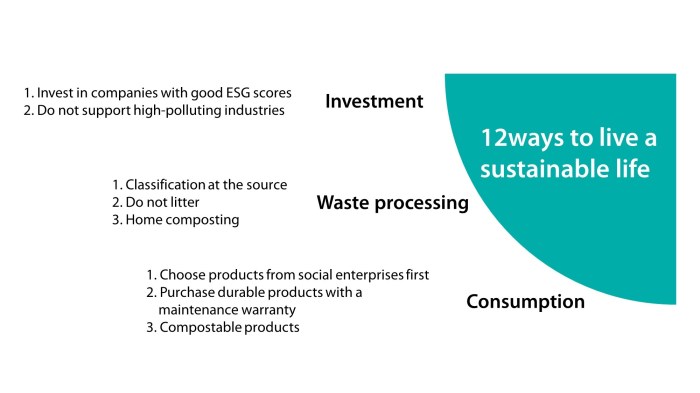
Transitioning to a sustainable lifestyle involves a series of steps that can have a positive impact on the environment and promote a more eco-friendly way of living. Here are the seven steps to help you achieve a sustainable lifestyle:
1. Reduce, Reuse, Recycle
Implement the 3 R’s in your daily life by reducing waste, reusing items whenever possible, and recycling materials like paper, plastic, and glass. Opt for reusable products and containers to minimize single-use plastic.
2. Conserve Water and Energy
Save water by fixing leaks, taking shorter showers, and using energy-efficient appliances. Reduce energy consumption by turning off lights and unplugging electronics when not in use. Consider using renewable energy sources like solar power.
3. Choose Sustainable Transportation
Opt for walking, biking, carpooling, or using public transportation to reduce carbon emissions. If driving is necessary, consider using a fuel-efficient or electric vehicle to minimize environmental impact.
4. Support Local and Organic Products
Purchase locally sourced and organic food to support sustainable agriculture and reduce the carbon footprint associated with transportation. Choose products with minimal packaging to reduce waste.
5. Embrace Minimalism
Declutter your space and adopt a minimalist lifestyle to reduce consumption and waste. Focus on quality over quantity when making purchases and avoid unnecessary items that contribute to environmental degradation.
6. Practice Sustainable Eating Habits
Reduce meat consumption, support plant-based diets, and choose sustainable seafood options to minimize the environmental impact of food production. Grow your own food or support community gardens for fresh, local produce.
7. Get Involved in Community Initiatives
Join local sustainability groups, participate in environmental clean-up events, and advocate for policies that promote sustainability in your community. Collaborate with others to make a collective impact on environmental conservation.
Impact of Sustainable Lifestyle Choices

Living a sustainable lifestyle involves making conscious choices that have a positive impact on the environment. Let’s explore how common lifestyle choices such as diet, transportation, and energy consumption can affect our planet.
Environmental Impact Analysis
When it comes to diet, opting for plant-based meals can significantly reduce greenhouse gas emissions compared to a diet high in animal products. Similarly, choosing to walk, bike, or use public transportation instead of driving a car can help lower carbon emissions. Additionally, prioritizing renewable energy sources like solar or wind power over fossil fuels can greatly decrease our carbon footprint.
Comparison of Carbon Footprints
- Plant-based diet vs. meat-heavy diet
- Walking/biking/public transportation vs. driving
- Solar/wind power vs. fossil fuels
Success Stories of Sustainability
There are numerous inspiring stories of individuals and communities who have made significant changes towards a sustainable lifestyle. From zero-waste advocates to cities implementing green initiatives, these success stories show that small actions can lead to big impacts on the environment.
Epilogue

In conclusion, the 7 Steps to a Sustainable Lifestyle offer a roadmap to a greener future. By making small changes and overcoming challenges, individuals can make a significant difference in preserving our planet for future generations.