Delving into The Complete Guide to Recycling Batteries: 101 Things You Need to Know, this introduction immerses readers in a unique and compelling narrative, with casual formal language style that is both engaging and thought-provoking from the very first sentence.
Exploring the importance of recycling batteries, the types of batteries that can be recycled, and the best practices for battery recycling, this guide is a comprehensive resource for anyone looking to make a positive impact on the environment.
Importance of Recycling Batteries

Recycling batteries is crucial for the environment as it helps prevent hazardous materials from leaking into the soil and water sources, reducing the risk of pollution and harm to ecosystems.
Impact of Improper Battery Disposal on Ecosystems
Improper battery disposal can lead to the release of toxic chemicals such as lead, mercury, and cadmium into the environment. These chemicals can contaminate soil, water, and air, posing serious health risks to humans, wildlife, and plants.
Examples of How Recycled Batteries Can Be Used in New Products
- Recycled batteries can be used to create new batteries, reducing the need for raw materials and energy-intensive manufacturing processes.
- They can also be repurposed for use in electronic devices, solar panels, and even as backup power sources for renewable energy systems.
- Recycled battery materials can be used in the production of stainless steel, glass, and other industrial products, promoting a more sustainable and circular economy.
Types of Batteries that Can Be Recycled

When it comes to recycling batteries, it’s important to understand the different types of batteries that can be recycled. Each type of battery goes through a specific recycling process that helps minimize environmental impact and promote sustainability.
Lead-Acid Batteries
Lead-acid batteries are commonly used in cars, boats, and other vehicles. These batteries contain lead plates and sulfuric acid. The recycling process for lead-acid batteries involves breaking them down into their core components, separating the lead from the acid, and then reusing these materials to manufacture new batteries. Recycling lead-acid batteries helps prevent lead pollution and reduces the need for raw materials.
Lithium-Ion Batteries
Lithium-ion batteries are found in electronic devices like smartphones, laptops, and electric vehicles. The recycling process for lithium-ion batteries includes extracting valuable metals like lithium, cobalt, and nickel. These metals can be reused in the production of new batteries, reducing the demand for mining activities and conserving natural resources. Recycling lithium-ion batteries also helps prevent the release of harmful chemicals into the environment.
Nickel-Cadmium Batteries
Nickel-cadmium batteries are commonly used in power tools, cameras, and other portable devices. The recycling process for nickel-cadmium batteries involves recovering materials like nickel and cadmium through a series of separation and purification steps. By recycling nickel-cadmium batteries, we can prevent the release of toxic metals into the environment and reduce the energy required to extract these materials from their natural sources.
Alkaline Batteries
Alkaline batteries are used in various household items like remote controls, toys, and flashlights. The recycling process for alkaline batteries involves neutralizing the battery acid, separating the metal components, and then reusing these materials in the production of new batteries or other products. Recycling alkaline batteries helps reduce the amount of waste sent to landfills and conserves valuable resources.
Conclusion
Recycling batteries, regardless of their type, is essential for protecting our environment and conserving natural resources. By understanding the recycling processes for different types of batteries and the environmental benefits they offer, we can all contribute to a more sustainable future.
Best Practices for Recycling Batteries
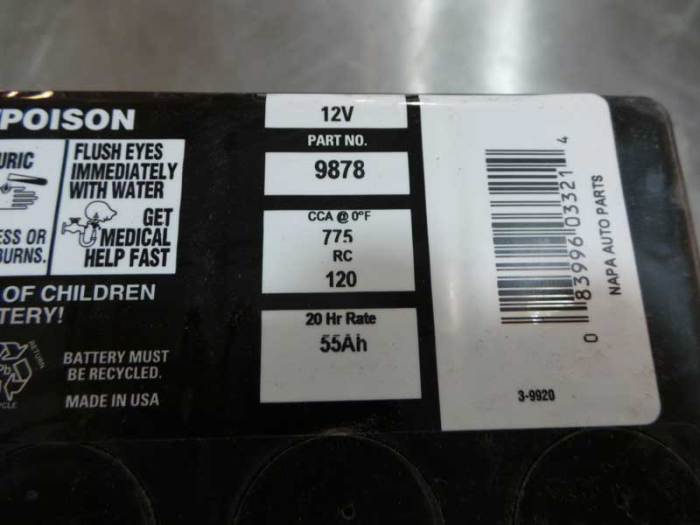
When it comes to recycling batteries, there are certain best practices that you should follow to ensure the process is safe and environmentally friendly.
Safely Storing Used Batteries Before Recycling
- Keep used batteries in a cool, dry place away from direct sunlight and extreme temperatures to prevent any leaks or potential hazards.
- Store batteries in a non-metallic container or plastic bag to avoid any short circuits or unintentional connections.
- Avoid storing different types of batteries together to prevent reactions or the risk of fire.
Proper Disposal of Batteries to Avoid Environmental Harm
- Do not throw batteries in the regular trash as they can release harmful chemicals into the environment.
- Research local recycling guidelines to determine the proper disposal method for different types of batteries, such as alkaline, lithium-ion, or lead-acid batteries.
- Consider using battery recycling programs offered by manufacturers, retailers, or local waste management facilities for safe disposal.
Finding Battery Recycling Centers in Your Area
- Check with local government websites or waste management services to locate nearby battery recycling centers or drop-off locations.
- Use online resources like Earth911 or Call2Recycle to find collection sites for various types of batteries based on your zip code or location.
- Contact battery manufacturers or retailers to inquire about their take-back programs or recycling initiatives for used batteries.
Closing Summary

In conclusion, The Complete Guide to Recycling Batteries: 101 Things You Need to Know equips you with the knowledge and tools to contribute towards a greener future. By following the tips and understanding the significance of battery recycling, you can play a vital role in preserving our environment for generations to come.